Scalp micropigmentation (SMP)
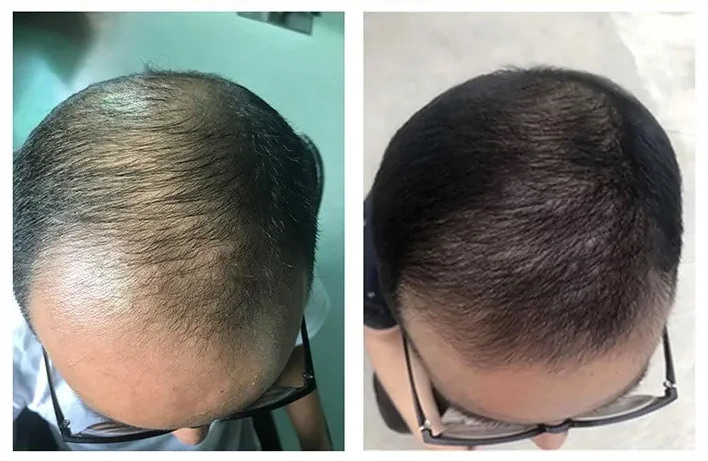
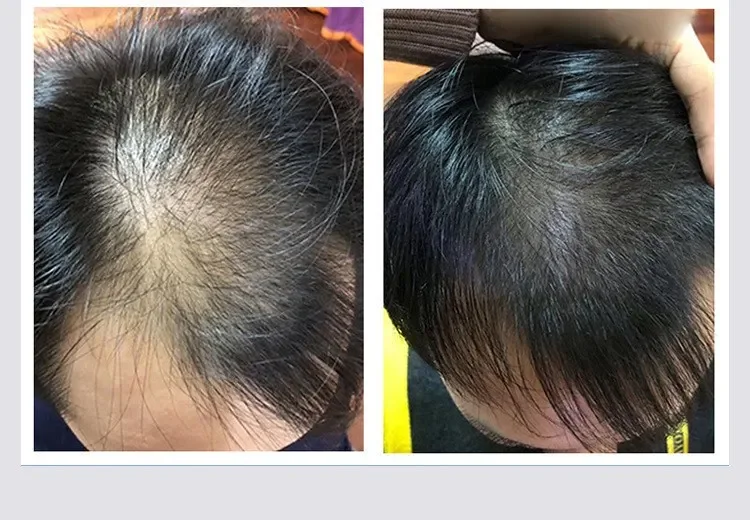
Fine cosmetic pigment placed in the scalp to recreate the look of closely cut hair, or to make thinning areas look denser. It does not grow hair.
- 2–4 hours per session
- NPM Malaysia, The Starling Mall
Price Quoted after your scalp check
Overview
SMP is cosmetic camouflage, similar to a very fine tattoo. Pigment shade and density are matched to your skin tone and hair, and most people need more than one session to build the look.
Like any pigment in skin, it can fade over time and may need touch-ups. We explain what to expect for your skin at consultation.
What’s included
- A scalp check before anything is recommended
- Your plan explained in plain words
- The full price before you decide, with no obligation
- Aftercare guidance to take home
- Pigment shade matched to your skin and hair
Where to get it
Who it is for
- Adults noticing gradual thinning, a widening parting, a receding hairline or a see-through crown who want a non-surgical option.
- People with an oily, flaky, itchy or tight-feeling scalp who want a structured scalp-care routine alongside home care.
- Anyone who wants to understand their scalp first: every plan starts with a magnified scalp check and a plain-language explanation.
Not suitable for
- Anyone with an open wound, active infection, sunburn or severe irritation on the scalp: let it settle first.
- Sudden, patchy or rapid hair loss, or hair loss with other symptoms: please see a doctor first so the cause can be checked.
- Pregnant or breastfeeding, or under medical treatment for a scalp or skin condition: tell your consultant so the plan can be adjusted.
Your visit, step by step
- 01
Arrive and talk through your concerns, history and goals with your consultant.
- 02
Magnified scalp check: your consultant shows you what they see on screen and explains it in plain words.
- 03
A plan is suggested only if it suits your scalp, with each step, the time it takes and the full price explained before anything starts.
- 04
The session itself, following the steps described on this page. You can ask questions or ask for a pause at any time.
- 05
Before you leave, your consultant explains aftercare and a home routine, and you decide whether you want a follow-up. There is no obligation.
What to expect, session by session
First visit
You get a clear picture of your scalp: oiliness, flaking, density and the pattern of thinning. Many people say the scalp feels cleaner and lighter after a session. That is about comfort, not a change in hair count.
Weeks 1–4
Focus on routine: gentle washing, the home care your consultant suggested and any follow-up sessions you chose. Some shedding is normal; hairs at the end of their cycle fall naturally every day.
Months 2–3
Hair grows in slow cycles, so changes in how hair looks take time. A follow-up scalp check lets you compare photos taken under the same light and magnification.
Month 4 and beyond
Results vary from person to person. Your consultant reviews the plan with you, and you decide whether to continue, change or stop.
Aftercare
- Wait until the next day before your next shampoo unless your consultant says otherwise, and use lukewarm rather than hot water.
- Avoid strong sun on the scalp, swimming pools, saunas and heavy sweating for the rest of the day.
- Skip hair dye, bleaching, perms and strong styling products for a few days.
- Do not scratch or rub the scalp. If it feels warm or tight, that usually settles within a day; contact the centre if anything worries you.
- Keep up the home routine your consultant recommended: consistency matters more than intensity.
- Sleep, a balanced diet with enough protein and iron, and managing stress all support a healthy scalp.
Safety and precautions
- Tell your consultant about allergies (including to plants, fragrances or adhesives), medicines, recent procedures and any skin or scalp condition.
- A patch test can be arranged if you have sensitive skin.
- Stop and tell the team straight away if anything feels uncomfortable during the session.
- Redness, itching, swelling or rash that does not settle within a day or two needs medical advice.
- Our sessions are scalp care and do not diagnose or treat disease. For medical hair loss, a doctor or dermatologist is the right first step.
Compare related treatments
| Simulation & Stimulation | An instant fuller look plus scalp care, in about 3 hours. |
|---|---|
| Folli-Grow Genesis | A Folli-Doc scalp care programme that includes a low-level light (650nm) step. |
| Folli-Grow Genesis Signature | A separate Folli-Doc programme in the Genesis line, also with a 650nm light step. |
| Folli-Heal | A scalp care session in the Folli-Heal line, with a low-level light step. |
| Folli-Heal Plus | A relaxing, needle-free, multi-step session: cleansing, massage, herbal steam and a light pause. |
| Folli-Heal Plus V3 | A newer format in the Folli-Heal Plus line. Details at consultation. |
| Xenocell Boost | A scalp care programme from Anggun Pakar Rambut, offered alongside Simulasi & Stimulasi. |
| Xenocell Boost Advanced | The Advanced version of Xenocell Boost at Anggun Pakar Rambut. |
| Folli-Fuel | In-centre treatment with freeze-dried sheep placenta and caviar extracts, using micro-crystal infusion. |
| Hair systems | Custom hairpieces with real human hair on a breathable base. Fitting takes about 2 hours. |
Frequently asked questions
Do I need a scalp check first?
Yes. Every plan starts with a magnified scalp check, so the suggestion is based on your scalp and not a guess.
Will I be told the price before starting?
Yes. You hear the full price before anything starts and there is no obligation to go ahead.
Is it painful?
Most people describe the session as comfortable and relaxing. Tell the team at once if anything feels uncomfortable.
How many sessions will I need?
It depends on your scalp and goals. Your consultant suggests a plan after the scalp check, and you can review it at every follow-up.
When will I see a difference?
The scalp often feels fresher straight away. Changes in how hair looks take months because hair grows in slow cycles, and results vary from person to person.
Can I go back to work afterwards?
Yes, most people carry on with their day. Follow the aftercare tips on this page.
Can I combine it with home products?
Often yes. Your consultant explains which products suit your scalp and how to time them around sessions.
Is it suitable for women?
Yes, unless this page says otherwise. Tell your consultant if you are pregnant or breastfeeding.
What languages can I consult in?
English, 中文 or Bahasa Melayu.
Does it replace seeing a doctor?
No. These are scalp-care sessions. Sudden or patchy hair loss should be checked by a doctor first.
What should I bring?
Nothing special. Come with your usual hair, without heavy styling products, and a list of any medicines you take.
How long does it take to see a difference in hair loss?
Usually months. Hair grows in cycles in which the growth phase lasts years and the resting phase about 3–5 months4, so changes in density take time. With minoxidil, results may appear from about 2 months, and some people need at least 4.
Is shedding 100 hairs a day normal?
Daily shedding of resting hairs is normal. Clinicians use a standardised hair-wash test, where shedding of more than 100 hairs points towards telogen effluvium4. If you notice a sudden increase, or shedding lasting more than six months, see a doctor.
Does scalp health affect hair growth?
Which hair-loss ingredient has the strongest evidence?
Topical minoxidil.
Treatment knowledge
The hair growth cycle
Each hair follicle is a miniature organ that regenerates itself throughout life, cycling through growth, regression and rest123.
Anagen (growth) · About 2–5 years
Cells in the hair bulb divide rapidly and build the hair shaft. The length of anagen largely determines how long your hair can grow.
Catagen (transition) · About 3–6 weeks
Growth stops and the lower follicle regresses in a tightly controlled process of programmed cell death41.
Telogen (rest) · About 3–5 months
The follicle rests while the old 'club' hair stays anchored.
Shedding and renewal · At the end of telogen
The old hair is released as a new anagen hair begins beneath it. Daily shedding of resting hairs is normal.
What causes hair loss?
Androgenetic alopecia (pattern hair loss)
The most common progressive hair loss in men and women. It is polygenic, with major risk loci on the X chromosome (androgen receptor) and chromosome 205. In Asian men, smoking has been significantly associated with more severe pattern hair loss6.
Telogen effluvium (excess shedding)
A trigger such as illness, fever, surgery, childbirth, crash dieting, certain medicines or major stress pushes many follicles into telogen at once. Increased shedding typically follows two to four months later47. Acute telogen effluvium usually resolves; shedding lasting more than six months is called chronic4.
Scalp inflammation and dandruff
Dandruff affects up to half of adults worldwide and involves a weakened scalp barrier, water loss and subclinical inflammation, influenced by sebum and Malassezia yeasts8910. Mild inflammation around follicles is also described in androgenetic alopecia11. Over 20 epidemiological studies link poor scalp condition to poorer hair, and in a treatment study hair quality improved when the scalp was normalised1213.
Oxidative stress
Reactive oxygen species from metabolism, UV, smoking, pollution and scalp inflammation can damage the follicle and the emerging fibre14. Researchers describe oxidative stress as the 'currency' by which an unhealthy scalp harms hair growth and retention1516.
Nutrition
Iron, zinc, vitamin D and other micronutrients are involved in the follicle cycle, and correcting a genuine deficiency matters17. Supplementing without a documented deficiency is less certain, and some supplements in excess can worsen hair loss18.
Sun and environment
UV radiation degrades hair proteins and pigment, weakening the shaft1920. Hair shedding also follows seasonal rhythms; in a Swiss study of 823 women, the proportion of resting hairs peaked in summer21.
How we grade evidence
A · Strong Randomised controlled trials, meta-analyses or official drug labelling in humans.
B · Supportive Smaller, open-label or uncontrolled human studies, or systematic reviews of small trials.
C · Laboratory Cell, ex vivo follicle or animal studies. Important for understanding mechanisms, but not proof of results in people.
R · Background Narrative reviews, safety assessments and case reports.
Further reading
The Hair Growth Cycle Explained: Anagen, Catagen and Telogen
Finding hair on your pillow can be unsettling. But shedding is a normal part of how hair works. Each follicle on your scalp runs its own cycle of growth, rest and renewal. Understanding that cycle is the single most useful thing you can learn about hair, because it explains why hair falls, why it thins and why any genuine improvement takes months.
The follicle: a mini-organ that regenerates itself
A hair follicle is not a passive tube. It is a miniature organ that rebuilds itself again and again throughout life, cycling through phases of growth, regression and rest. Its behaviour is controlled by signalling families with names like Wnt, FGF, TGF-β and Sonic hedgehog, which tell the follicle when to grow and when to stop.
At the base of the follicle sits the dermal papilla, a cluster of specialised cells that acts as the control centre. Many hair-care studies, including research on minoxidil, placenta extracts and botanicals, measure effects on dermal papilla cells for this reason.
Phase 1: Anagen, the growth phase
Anagen is when the hair is actively made. Cells at the base of the follicle divide rapidly, building the hair shaft upwards.
The length of anagen largely decides how long your hair can grow. It is also the phase most affected by pattern hair loss, where anagen becomes progressively shorter.
Phase 2: Catagen, the transition
When anagen ends, the follicle enters catagen. Growth stops and the lower part of the follicle regresses through a tightly controlled process of programmed cell death. Catagen lasts about three to six weeks.
Phase 3: Telogen, the resting phase
In telogen, the follicle rests. The old hair, now called a club hair, stays anchored while the follicle prepares for a new cycle.
Shedding and renewal
At the end of telogen, the old club hair is released as a new anagen hair starts to grow beneath it. This is normal shedding. Because every follicle runs on its own schedule, you shed some hairs every day without your overall density changing.
When clinicians want to measure shedding objectively, they can use a standardised hair-wash test; shedding of more than 100 hairs in that test points towards telogen effluvium.
When the cycle goes wrong
Most hair loss is, at heart, a disruption of the hair cycle. The two most common patterns work in very different ways.
Androgenetic alopecia: a shrinking cycle
With each cycle, anagen gets shorter and telogen relatively longer, so the hair produced becomes shorter and finer. The condition is polygenic, involving many genes, with major contributions from the androgen receptor gene on the X chromosome and a region on chromosome 20. Low-grade inflammation around the follicle has also been described.
This is why pattern hair loss tends to look like gradual thinning rather than sudden shedding.
Telogen effluvium: a synchronised rest
In telogen effluvium, a trigger such as a high fever, illness, surgery, childbirth, crash dieting, certain medicines or major stress pushes a large number of follicles into telogen at the same time. Because telogen lasts months, the extra shedding appears later, typically two to four months after the trigger.
Acute telogen effluvium usually settles once the trigger is removed. Shedding that lasts more than six months is described as chronic. Telogen effluvium can also occur alongside androgenetic alopecia.
Seasons, scalp and lifestyle
The cycle is also influenced by things around it.
- Seasons. In a Swiss study of 823 healthy women, the proportion of resting hairs followed an annual rhythm and peaked in summer.
- Scalp health. Over 20 epidemiological studies link poor scalp condition, such as dandruff, to impaired hair, and in a treatment study the effects on hair were reversed when scalp condition was normalised.
- Oxidative stress. Reactive oxygen species from UV, smoking, pollution and scalp inflammation can affect the follicle and hair fibre.
- Nutrition. Iron, zinc, vitamin D and B vitamins all play roles in the follicle cycle, and genuine deficiency may be a modifiable risk factor for hair loss.
How treatments act on the cycle
The best-studied topical, minoxidil, works directly on the cycle: in animal studies it shortens telogen so resting follicles re-enter anagen earlier, and it may prolong anagen and enlarge follicles. This also explains the temporary shedding some people notice when they start: old resting hairs are released as new growth begins.
Other ingredients, from placenta extracts to green tea catechins, have been studied for effects on the dermal papilla and the timing of anagen, mostly in laboratory and animal research so far. These are interesting leads, but they are not equivalent to clinical proof in people.
Why patience is a scientific necessity
Put the numbers together: anagen lasts years, telogen lasts three to five months, and changes in the cycle take time to become visible. That is why reputable treatments describe results in months, not days. With minoxidil, for example, labelling states that results may appear from two months and some men need at least four months.
When to see a doctor
See a doctor if hair loss is sudden, patchy, painful, accompanied by scalp redness or scarring, or comes with other symptoms such as fatigue or weight change. These can signal conditions that need medical assessment, including nutritional deficiencies.
What are the three phases of hair growth?
Anagen (growth), catagen (transition) and telogen (rest). On the scalp, anagen lasts about two to five years, catagen three to six weeks and telogen three to five months.
Why does hair loss show up months after a stressful event?
Because of the length of telogen. A trigger pushes follicles into the resting phase, and the extra shedding appears about two to four months later.
Does pattern hair loss make hair fall out faster?
Not mainly. Pattern hair loss shortens the growth phase and miniaturises follicles, so hairs become progressively shorter and finer.
Is shedding more in summer normal?
It can be. A Swiss study of 823 women found the proportion of resting hairs peaked in summer.
Can you speed up the hair growth cycle?
Some treatments can influence it. Minoxidil shortens telogen in animal studies and may prolong anagen, but changes still take months to see.
How to Build a Scalp Care Routine That Actually Supports Your Hair
Great hair starts at the scalp. Yet most routines are designed around the hair shaft: shampoo, conditioner, styling. A scalp care routine flips the focus to the skin your hair grows from. The good news is that it does not need to be complicated. It needs to be consistent, matched to your goals, and based on what research actually supports.
Why the scalp matters
The scalp is skin with an unusually dense population of hair follicles. When it is irritated, flaky or inflamed, hair suffers. Over 20 epidemiological studies associate abnormal scalp conditions with impaired hair, and a treatment study showed those effects on hair were reversible once the scalp was normalised. Scientists describe oxidative stress as the mechanism linking an unhealthy scalp to poorer hair growth and retention.
So a scalp routine is not a luxury. It is the foundation.
Step 1: Know your goal
Before choosing products, decide what you are trying to achieve:
- Comfort and hydration: dryness, tightness, itch or sensitivity.
- Balance: oiliness, flaking or dandruff.
- Thinning or pattern hair loss: a gradual reduction in density, a widening part or a receding hairline.
- Excess shedding: sudden, diffuse hair fall, often two to four months after a trigger such as illness, childbirth or major stress.
Sudden patchy loss, scarring, pain or significant redness are reasons to see a doctor first.
Step 2: Cleanse often enough
Many people under-wash because they fear washing will make hair fall out. Research says otherwise. In a study of Asian populations, washing five to six times a week gave the best overall scalp and hair satisfaction, and daily washing outperformed weekly washing with no detrimental effects.
Hairs released during washing are mostly resting (telogen) hairs that had already reached the end of their cycle; clinicians even count them in a standardised hair-wash test.
If you have dandruff, use an anti-dandruff shampoo. Dandruff is linked to Malassezia yeasts and responds to treatments that inhibit them, and improving dandruff has been shown to reduce scalp oxidative stress and improve the quality of hair grown afterwards.
Step 3: Hydrate the scalp, not just the hair
Conditioners are formulated for the hair shaft. The scalp needs its own lightweight hydration. Hyaluronic acid is a well-tolerated, hygroscopic ingredient supported by multiple clinical studies for skin hydration, which makes it a natural choice for a scalp hydrator.
Apply hydrating products to clean, dry scalp, section by section, and massage in.
Step 4: Add a targeted treatment for thinning
A meta-analysis of randomised trials found it superior to placebo in both sexes.
To get the most from a minoxidil product:
- Apply to a dry scalp, directly on thinning areas, then wash your hands.
- Be consistent. Results may take two months, and some people need four months or longer.
- Expect possible early shedding. A temporary increase in shedding can occur in the first weeks and is not a reason to stop.
- Keep going. Continued use is needed to keep results.
- Know when to pause. Stop and see a doctor if you experience chest pain, rapid heartbeat, dizziness, swelling or persistent scalp irritation. Do not use it if you are pregnant or breastfeeding.
Step 5: Layer products in the right order
A simple layering principle: treatment first, on a dry scalp; hydration and styling after it has absorbed. If you use a minoxidil product and a scalp gel, apply them at different times of day if possible, or follow your product instructions carefully so each one can do its job.
Step 6: Massage
Massage helps distribute products and is a pleasant habit. In a small study of nine healthy men, four minutes of standardised scalp massage daily for 24 weeks was associated with increased hair thickness. These are small or self-reported studies, so think of massage as a supporting habit, not a treatment.
Step 7: Protect against the sun
UV radiation is the most frequent cause of structural damage to the hair shaft: UVB degrades hair proteins and UVA changes colour. Solar radiation can reduce hair strength, lustre and protein content. A hat or shade during the strongest midday sun protects both scalp and hair.
Step 8: Support from within
Hair is built from what you eat. Iron, zinc, vitamin D and B vitamins all play roles in the hair follicle cycle, and deficiency may be a modifiable risk factor for hair loss. If you suspect a deficiency, ask your doctor for a blood test before supplementing.
Be cautious with megadoses. Supplements without a documented deficiency have unproven benefit, and some may worsen hair loss. Biotin is a good example: reported benefits occur in people with an underlying deficiency, and high-dose biotin can distort common blood tests, including thyroid tests. Tell your doctor if you take it.
Lifestyle matters too. In a population study of Asian men, smoking was significantly associated with more severe pattern hair loss.
Track progress the smart way
Hair grows in cycles that span months to years, so daily mirror checks will only frustrate you. Take photos in the same light, from the same angles, once a month. Judge a hair-loss treatment after at least four months of consistent use.
Where Folli fits
Folli-Fix (foam, for men and women) and Folli-Fix X10 (liquid, for adult men) are our minoxidil treatments; use one or the other on a given area, not both. Folli-Care is our hyaluronic-acid scalp hydrator. Folli-Fuel is a professional in-centre treatment delivered by our experienced team. Ask us to help you choose a routine that suits your scalp and goals.
We created the Folli range for Malaysian scalps. Folli-Fix is a lightweight minoxidil foam for men and women; Folli-Fix X10 is a minoxidil liquid for adult men; Folli-Care is a hyaluronic-acid scalp hydrator; and Folli-Fuel is our professional in-centre treatment. The studies above are general research, not studies of Folli products.
How often should I wash my scalp?
Most people can wash often. Among Asian participants, five to six washes a week gave the best results, and daily washing outperformed weekly washing.
Does washing hair every day cause hair loss?
No. Daily washing showed no detrimental effects in a study of Asian populations, and hairs shed while washing are mostly resting hairs at the end of their cycle.
Should I apply minoxidil to a wet or dry scalp?
Dry. Apply minoxidil to a dry scalp on the thinning areas and wash your hands afterwards, as product directions advise.
Can I use a scalp serum with minoxidil?
Usually, yes, with good timing. Apply the minoxidil treatment to a dry scalp first, let it absorb, and follow each product's directions.
Does scalp massage help hair growth?
It may help a little. Small studies linked daily massage to thicker hair, but they were small or self-reported.
How long before a scalp routine shows results?
Comfort improves quickly; hair takes months. For minoxidil, results may take two to four months or more.
Do I need supplements for healthy hair?
Only if you are deficient. Correcting a deficiency matters, but supplementing without one has unproven benefit.
Hair Loss in Malaysia's Hot, Humid Climate: What Science Says and What to Do
Living in Malaysia means warm temperatures, high humidity and strong sunshine all year round. Many people assume this climate is behind their oily scalp, itchy flakes or thinning hair. Some of that intuition is right, and some of it is not supported by research. Here is a clear look at what science actually says about hair and scalp in a hot, humid environment, and what you can do about it.
First, what climate does not do
There is no good evidence that heat or humidity on their own cause pattern hair loss. Androgenetic alopecia, the most common form of progressive thinning, is driven by genetics and androgens, which progressively miniaturise susceptible follicles. It is common in Asian men and women, and its patterns and family histories can differ from those seen in people of European descent.
Climate can, however, influence the scalp environment, the hair shaft and how much hair you shed at certain times. Those effects are worth managing.
The sun: the most underrated hair stressor
Malaysia sits close to the equator, and the sun is strong throughout the year. For hair, that matters more than humidity.
Sun exposure is the most frequent cause of structural damage to the hair shaft. UVB degrades hair proteins, while UVA changes hair colour. Solar radiation reduces hair colour, strength, lustre and protein content, and there is still no standardised way to test hair sun-protection products.
UV also contributes to oxidative stress, alongside smoking, pollution and scalp inflammation, and oxidative stress can affect the hair fibre both before and after it emerges from the scalp.
What to do: wear a hat or use an umbrella during the strongest midday sun, especially if your hair is thinning and more scalp is exposed. Antioxidant-rich scalp care is a sensible complement.
Oil, sweat and dandruff: a more nuanced story
Many Malaysians describe an oily, itchy scalp. Dandruff is extremely common worldwide, affecting up to half of the post-pubertal population, and it involves a weakened scalp barrier, increased water loss and subclinical inflammation. Dandruff and seborrhoeic dermatitis sit on a spectrum influenced by sebum, colonisation with Malassezia yeasts and individual susceptibility, and both respond to treatments that inhibit these yeasts.
Here is the surprise. It is often assumed that humid weather makes dandruff worse. But a clinic study from Istanbul found seborrhoeic dermatitis visits were more frequent in colder, lower-humidity months, and correlated inversely with temperature and humidity. That was one city with a temperate climate, so it does not settle the question for the tropics, but it is a reminder that the relationship between humidity and dandruff is not as simple as it seems.
What matters is that a flaky, irritated scalp is not just a cosmetic nuisance. Dandruff is associated with oxidative stress, and improving it with an anti-dandruff shampoo reduced oxidative stress and improved the quality of the hair growing from that scalp. Researchers also note that anti-Malassezia shampoos tend to reduce premature hair loss.
What to do: if you have persistent flakes or itch, use an anti-dandruff shampoo consistently. After heavy sweating, such as after exercise, rinse and wash your scalp rather than leaving sweat and oil to sit for hours.
How often should you wash in the tropics?
This is one of the most common questions we hear, and there is good research on it from Asian populations. Among Asian participants, washing five to six times a week gave the best overall scalp and hair satisfaction, and daily washing outperformed weekly washing with no detrimental effects.
In other words, frequent washing is not harmful, and in a hot climate it is often helpful. Hairs you see in the drain are mostly resting hairs that had already finished their cycle.
What to do: wash as often as your scalp needs, which for many people in Malaysia means daily or almost daily. Choose a gentle shampoo, rinse thoroughly and dry your scalp well.
Seasonal shedding
Hair shedding follows seasonal rhythms. In a Swiss study of 823 healthy women, the proportion of resting (telogen) hairs peaked in summer. Malaysia does not have European seasons, and no equivalent tropical study exists, so we cannot say how this applies here. But it is a useful reminder that some fluctuation in shedding is normal.
What is not normal is a sudden, large increase in diffuse shedding. That often follows a trigger such as high fever, illness, surgery, childbirth or crash dieting by about two to four months. Dengue fever and other febrile illnesses are a familiar part of life in the tropics, so if you notice heavy shedding a few months after being unwell, telogen effluvium is one possible explanation. Acute telogen effluvium usually settles; shedding beyond six months should be checked by a doctor.
Lifestyle factors in Asian populations
A population-based study of 740 Taiwanese men found smoking was significantly associated with moderate-to-severe androgenetic alopecia, after controlling for age and family history. Nutrition matters too: iron, zinc, vitamin D and B vitamins all play roles in the hair follicle cycle, and deficiency may be a modifiable risk factor for hair loss.
Product textures for a hot climate
In heat and humidity, heavy oils and creams can feel uncomfortable on the scalp. Lightweight textures, such as foams, fast-absorbing liquids and water-based gels, tend to suit tropical routines better. Hyaluronic acid, for example, is a water-attracting (hygroscopic) hydrator rather than an oil.
Whatever you use, apply to a dry scalp: in hot weather, let sweat dry or rinse first.
A tropical scalp care plan
- Wash frequently, daily or almost daily if your scalp is oily or you sweat a lot.
- Treat dandruff early with an anti-dandruff shampoo.
- Hydrate with lightweight textures rather than heavy oils.
- Protect from the sun with a hat or shade at midday.
- Use a proven treatment for thinning, such as minoxidil, consistently for at least four months.
- Do not smoke, and eat a balanced diet.
- See a doctor for sudden, patchy or prolonged hair loss.
Does humidity cause hair loss?
No good evidence shows that it does. Pattern hair loss is driven by genetics and androgens; humidity mainly affects how the scalp and hair feel.
Is it bad to wash my hair every day in Malaysia?
No. Among Asian participants, daily washing outperformed weekly washing with no detrimental effects, and five to six washes a week gave the best results.
Does the sun damage hair?
Yes. Sun exposure is the most frequent cause of structural damage to the hair shaft; UVB degrades hair proteins and UVA changes colour.
Is dandruff worse in humid weather?
Not necessarily. One clinic study found seborrhoeic dermatitis was more frequent in colder, drier months, though tropical data are lacking.
Why am I shedding a lot months after dengue fever?
High fever can trigger telogen effluvium, with shedding typically two to four months later. It usually settles; see a doctor if it lasts beyond six months.
What hair products suit a hot, humid climate?
Lightweight textures such as foams, liquids and water-based gels tend to feel more comfortable than heavy oils, and should be applied to a dry scalp.
Research references
- Schneider MR et al. The hair follicle as a dynamic miniorgan. Current biology : CB 2009. Link
- Stenn KS et al. Controls of hair follicle cycling. Physiological reviews 2001. Link
- Paus R et al. The biology of hair follicles. The New England journal of medicine 1999. Link
- Asghar F et al. Telogen Effluvium: A Review of the Literature. Cureus 2020. Link
- Lolli F et al. Androgenetic alopecia: a review. Endocrine 2017. Link
- Su LH et al. Association of androgenetic alopecia with smoking and its prevalence among Asian men: a community-based survey. Archives of dermatology 2007. Link
- Rebora A Telogen effluvium: a comprehensive review. Clinical, cosmetic and investigational dermatology 2019. Link
- Turner GA et al. Stratum corneum dysfunction in dandruff. International journal of cosmetic science 2012. Link
- Borda LJ et al. Seborrheic Dermatitis and Dandruff: A Comprehensive Review. Journal of clinical and investigative dermatology 2015. Link
- Hay RJ Malassezia, dandruff and seborrhoeic dermatitis: an overview. The British journal of dermatology 2011. Link
- Mahé YF et al. Androgenetic alopecia and microinflammation. International journal of dermatology 2000. Link
- Tosti A et al. Role of scalp health in achieving optimal hair growth and retention. International journal of cosmetic science 2021. Link
- Schwartz JR et al. The role of oxidative damage in poor scalp health: ramifications to causality and associated hair growth. International journal of cosmetic science 2015. Link
- Trüeb RM The impact of oxidative stress on hair. International journal of cosmetic science 2015. Link
- Trüeb RM Oxidative stress and its impact on skin, scalp and hair. International journal of cosmetic science 2021. Link
- Trüeb RM et al. Scalp Condition Impacts Hair Growth and Retention via Oxidative Stress. International journal of trichology 2018. Link
- Almohanna HM et al. The Role of Vitamins and Minerals in Hair Loss: A Review. Dermatology and therapy 2019. Link
- Guo EL et al. Diet and hair loss: effects of nutrient deficiency and supplement use. Dermatology practical & conceptual 2017. Link
- Sebetić K et al. UV damage of the hair. Collegium antropologicum 2008. Link
- Dario MF et al. Effects of solar radiation on hair and photoprotection. Journal of photochemistry and photobiology. B, Biology 2015. Link
- Kunz M et al. Seasonality of hair shedding in healthy women complaining of hair loss. Dermatology (Basel, Switzerland) 2009. Link
- Drake L et al. Evaluation of the Safety and Effectiveness of Nutritional Supplements for Treating Hair Loss: A Systematic Review. JAMA dermatology 2023. Link
- Patel DP et al. A Review of the Use of Biotin for Hair Loss. Skin appendage disorders 2017. Link
Photos
Research
These are studies on ingredients or general approaches, summarised with their limits. None of them tested this treatment or product, and they don’t prove what it will do for you.
- Rassman WR et al. Scalp micropigmentation: a useful treatment for hair loss. Facial Plast Surg Clin North Am 2013;21(3):497-503.Review / case experience. SMP is cosmetic tattoo camouflage that creates the look of density. It does not grow hair.PubMed 24017991doi:10.1016/j.fsc.2013.05.010
- Park JH et al. Natural results of scalp micropigmentation: A review. J Cosmet Dermatol 2022.Review. Reviews how scalp micropigmentation is used to create the look of density and what affects a natural-looking result. It does not grow hair.PubMed 35947499doi:10.1111/jocd.15297
FAQ
SMP or Simulation & Stimulation?
SMP is pigment in the skin that imitates hair. Simulation & Stimulation works with your existing hair and scalp. At the scalp check we tell you which fits your goal.
Does SMP fade?
Yes, it can fade gradually, and touch-ups are common. Sun protection and aftercare help.
Do I need to shave?
It depends on the look you want. For a buzz-cut look, yes; for added density under longer hair, often not. We will advise you.
How is the price quoted?
After a scalp check and a chat about your goals. You get the full price before anything starts, with no obligation.
Start with a scalp check
Tell us a little about your hair. The form opens WhatsApp with your details filled in, ready to send to Dr Steven’s team.
- Your scalp is checked before anything is recommended
- Full price is explained before you decide, with no obligation
- We serve you in English, 中文 or Bahasa Melayu
Prefer to message directly? WhatsApp 011-2056 1789