EN中文BM
Folli Series · Hyaluronic acid scalp gel

Folli-Care

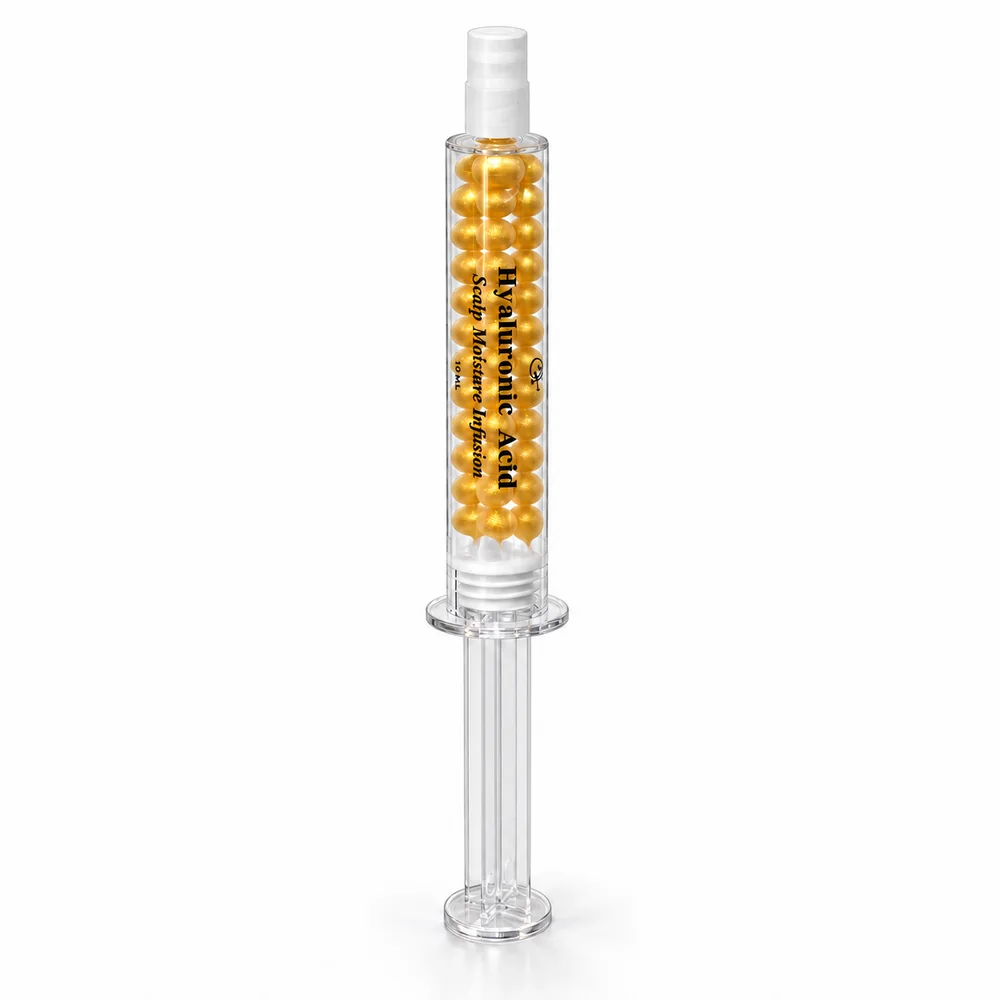
Hyaluronic Acid Scalp Moisture Infusion: a scalp moisture gel in a precision syringe applicator, for scalps that feel dry, tight or flaky.

  • Scalp gel · 10ml
  • Syringe applicator

RM99RM129Promo price

Shipping in Malaysia: RM20 West, RM30 East, added at checkout. Bundles of 3 ship free. Malaysia delivery only, no overseas orders.

Folli-Care syringe and box, front view
001

What it is

Folli-Care, labelled Hyaluronic Acid Scalp Moisture Infusion (10 ml), is a scalp moisture gel built around hyaluronic acid, skincare's benchmark hydrator.

Its syringe-style applicator has a fine tip, so you can place the gel directly onto the scalp between partings: precise, mess-free and hygienic, with no fingers in a jar.

It is designed for scalps that feel dry, tight or flaky, and is light enough for oily scalps and textured or curly hair.

Folli-Care is a scalp-care cosmetic. It is not a hair-loss treatment; for thinning hair, see Folli-Fix or speak to our team.

002

Who it’s for

Good for

  • Anyone whose scalp feels dry, tight or itchy, especially in air-conditioned environments.
  • Flake-prone scalps that need lightweight comfort rather than heavy oils.
  • Oily scalps that want hydration without grease.
  • Curly, coily or textured hair, where the precision tip reaches the scalp without coating the lengths.

Not for

  • Broken, infected or acutely inflamed skin; see a doctor for persistent redness, scaling or itching.
  • Anyone with a known allergy to any of its ingredients.
003

Key ingredients

01

Hyaluronic acid

Hydration

Hyaluronic acid is a moisture-binding molecule found naturally in skin, where it helps hold water in the tissue. It is one of the best-studied cosmetic hydrators and is well tolerated in clinical studies [1][2]. Hydration matters on the scalp too: research on dandruff shows a weakened scalp barrier with raised water loss [3]. Early laboratory research has also found that certain hyaluronic acid formulations support the dermal papilla cells that drive hair growth [4]. These are cell and animal findings, not results for Folli-Care.

004

How to use

  1. 01

    Prepare: start with clean, dry hair and scalp.

  2. 02

    Apply: part your hair and use the syringe applicator to dispense a coin-sized amount onto different areas of your scalp.

  3. 03

    Massage: gently massage the gel with your fingertips until fully absorbed.

How often: Use daily as part of your routine: in the morning on a clean, dry scalp, before styling, or in the evening.

  • Weekly intensive: once a week, use a slightly larger amount and massage thoroughly for a deeper scalp-care treatment.
  • Take your time with the massage. A small study found that 4 minutes of daily standardised scalp massage for 24 weeks increased hair thickness in healthy men [5]; it is early evidence, but a good reason to massage properly.
  • Using Folli-Fix or Folli-Fix X10 as well? Apply your minoxidil product first on a dry scalp, and use Folli-Care at a different time of day.
005

What to expect

Folli-Care is about how your scalp feels and behaves day to day.

  1. On application

    A cool, light gel that absorbs with massage and leaves no greasy film.

  2. With daily use

    A scalp that feels more comfortable and less tight or dry. Results depend on your scalp type, climate and wash routine.

  3. Long term

    Folli-Care is part of a healthy-scalp routine. Researchers increasingly link scalp condition to the quality of the hair that grows from it [6][7].

Folli-Care is a cosmetic scalp-care product and does not treat hair loss. Persistent flaking, redness or itching should be checked by a doctor.

007

Safety notes

  • For external use on the scalp. Avoid the eyes.
  • Patch-test on a small area first if you have sensitive skin or known allergies.
  • Do not apply to broken or infected skin. Stop use if irritation develops.
  • Persistent flaking, redness or itching may be a skin condition such as seborrhoeic dermatitis; see a doctor [8].
  • Full ingredient list to be confirmed from the product label.
008

From the original site

Folli-Care

Full product name

Product description

Who it's for

Not suitable for

Tips

  • Take your time with the massage. A small study found that 4 minutes of daily standardised scalp massage for 24 weeks increased hair thickness in healthy men1; it is early evidence, but a good reason to massage properly.
  • Take your time with the massage. A small study found that 4 minutes of daily standardised scalp massage for 24 weeks increased hair thickness in healthy men8; it is early evidence, but a good reason to massage properly.

Notes

  • Persistent flaking, redness or itching may be a skin condition such as seborrhoeic dermatitis; see a doctor9.

What is Folli-Care?

Part your hair, place the fine tip close to the scalp and dispense a coin-sized amount onto different areas. Then massage gently until absorbed. Start with clean, dry hair and scalp.

How often should I use Folli-Care?

Daily, morning or evening, on a clean, dry scalp. Once a week, you can use a slightly larger amount with a longer massage as an intensive treatment.

Is Folli-Care suitable for an oily scalp?

Yes. Hyaluronic acid hydrates by binding water rather than adding oil, so the gel suits oily scalps as well as dry ones.

No. Folli-Care is a scalp-care cosmetic for hydration and comfort. Some early laboratory research suggests hyaluronic acid can support hair follicle cells7, but that has not been tested in Folli-Care. For thinning hair, ask about Folli-Fix.

Can I use Folli-Care with Folli-Fix?

Yes. Apply Folli-Fix first on a dry scalp and let it absorb fully, then use Folli-Care at a different time of day, for example Folli-Fix at night and Folli-Care in the morning.

Can I use Folli-Care if I have dandruff?

Yes, Folli-Care can be used on a flake-prone scalp for comfort and hydration. It is not an anti-dandruff treatment. Persistent or inflamed flaking may be seborrhoeic dermatitis, which a doctor can treat9.

Scalp gel · 10ml

Precise hydration for a thirsty scalp.

Concept artwork. For the product itself, see the photo above.

Source: drstevengoh.com

References

Small uncontrolled study (9 men) + in vitro

Standardized Scalp Massage Results in Increased Hair Thickness by Inducing Stretching Forces to Dermal Papilla Cells in the Subcutaneous Tissue

Koyama T et al. · Eplasty · 2016

Four minutes of standardised scalp massage daily for 24 weeks increased hair thickness in nine healthy men.

Review + treatment study

Role of scalp health in achieving optimal hair growth and retention

Tosti A et al. · Int J Cosmet Sci · 2021

Scalp Condition Impacts Hair Growth and Retention via Oxidative Stress

Trüeb RM et al. · Int J Trichology · 2018

Review + RCT summary

Bravo B et al. · Dermatol Ther · 2022

Bukhari SNA et al. · Int J Biol Macromol · 2018

Stratum corneum dysfunction in dandruff

Turner GA et al. · Int J Cosmet Sci · 2012

In vitro study (human dermal papilla cells)

Zerbinati N et al. · Biomed Res Int · 2021

In vitro + mouse study

Liu J et al. · Int J Biol Macromol · 2026

Medium-molecular-weight hyaluronic acid (around 268 kDa) supported the hair-inductive capacity of dermal papilla cells via CD44/AKT/β-catenin signalling and stimulated hair follicle development in mice.

Borda LJ et al. · J Clin Investig Dermatol · 2015

Dandruff and seborrhoeic dermatitis form a spectrum influenced by sebum, Malassezia colonisation and individual susceptibility.

General information only, not medical advice. Speak to a qualified professional about your own scalp and hair.

Source: drstevengoh.com

More from the range

Folli-Fix X10

Men's liquid, dropper · 60ml

Folli-Flux

Scalp serum · 30ml

Source: drstevengoh.com

Leave-on copper peptide scalp serum in a blue dropper bottle. 30ml.

Promo RM129 (usual RM149)View details
011

Every ingredient, explained

Hyaluronic acid · Hydration

Hyaluronic acid is a moisture-binding molecule found naturally in skin, where it helps hold water in the tissue. It is one of the best-studied cosmetic hydrators and is well tolerated in clinical studies12. Hydration matters on the scalp too: research on dandruff shows a weakened scalp barrier with raised water loss3. Early laboratory research has also found that certain hyaluronic acid formulations support the dermal papilla cells that drive hair growth45. These are cell and animal findings, not results for Folli-Care.

Hyaluronic acid: How it works

HA is hygroscopic: it attracts and holds water. Applied topically it improves surface hydration and is used across cosmeceuticals for its hydrating and viscoelastic properties12. Its effects depend on molecular weight; in recent laboratory work, medium-weight HA fragments signalled through the CD44 receptor to support dermal papilla cells5.

What the evidence shows

Skin: reviews of clinical studies support HA-based products as a non-invasive, well-tolerated way to improve skin hydration12.

Scalp: dandruff is associated with a weakened scalp barrier and raised water loss3, one rationale for hydrating scalp care. In a reconstructed-skin model, a non-cross-linked HA formulation showed antimicrobial activity against scalp microbes including Malassezia and lowered the inflammatory marker IL-86.

Hair follicle (laboratory): a non-cross-linked HA formulation protected human dermal papilla cells from UVB damage and increased VEGF, a growth factor linked to follicle blood supply4. Medium-molecular-weight HA stimulated hair follicle development in mice5.

Hair (human, injected): in an uncontrolled study, 26 volunteers with androgenetic alopecia received six sessions of scalp injections of an HA complex and showed improved thickness and density7. Injection is a different route from a topical gel, and there was no control group.

Safety and precautions

HA is generally very well tolerated topically1.

Bottom line

Hyaluronic acid is skincare's benchmark hydrator, and early laboratory research hints at a role around the follicle. On the scalp, its proven job is hydration and comfort.

012

How to use, step by step

How often

Use daily as part of your routine: in the morning on a clean, dry scalp, before styling, or in the evening.

013

What to expect, week by week

On application

With daily use

Long term

Folli-Care is part of a healthy-scalp routine. Researchers increasingly link scalp condition to the quality of the hair that grows from it910.

014

How it compares and pairs with related products

Folli-Fix

Light, fast-drying minoxidil foam for men and women. 80ml.

RM149 · 3 for RM447, free shippingView details

Folli-Fuel

015

Price

RM99 · Buy 3 bundle RM297, free Malaysia shipping (single items: RM20 West / RM30 East shipping)

016
  • Persistent flaking, redness or itching may be a skin condition such as seborrhoeic dermatitis; see a doctor11.
017

Frequently asked questions

What is Folli-Care?

Folli-Care is the Hyaluronic Acid Scalp Moisture Infusion: a hydrating scalp gel with hyaluronic acid in a 10 ml syringe-style applicator, for precise, mess-free application directly onto the scalp.

Can I use Folli-Care if I have dandruff?

Yes, Folli-Care can be used on a flake-prone scalp for comfort and hydration. It is not an anti-dandruff treatment. Persistent or inflamed flaking may be seborrhoeic dermatitis, which a doctor can treat11.

018

Further reading

Scalp Hydration and Hyaluronic Acid: Why Your Scalp Deserves Skincare Too

We cleanse, tone, hydrate and protect the skin on our faces with care. Then we ignore the skin on our scalps entirely. Yet the scalp is skin too: it has a barrier, it loses water, it can become inflamed, and its condition affects the hair that grows from it. This is where hyaluronic acid, the skincare world's favourite hydrator, earns a place in a modern scalp routine.

Your scalp is skin, and its condition affects your hair

The link between scalp health and hair quality is no longer a marketing idea. A review of the evidence describes over 20 epidemiological studies associating abnormal scalp conditions with impaired hair, and a treatment study in which those effects on hair were reversible once the scalp was normalised.

Dandruff is the clearest example. It affects up to half of the world's post-pubertal population and involves a weakened scalp barrier, increased water loss and subclinical inflammation. Researchers have proposed that oxidative stress is the 'currency' through which an unhealthy scalp harms how hair grows, how long it stays and how it is replaced. In a treatment study, improving scalp condition with an anti-dandruff shampoo reduced oxidative stress and improved the quality of the hair growing from that scalp.

The message is simple: a comfortable, balanced, well-hydrated scalp is a better foundation for hair.

What is hyaluronic acid?

Hyaluronic acid (HA) is a natural component of the extracellular matrix, the supportive network around our skin cells. The body's HA begins to decline from around the age of 25.

In skincare, HA is valued for its hydrating and anti-ageing properties. It is hygroscopic, meaning it attracts and holds water, and it gives formulas a smooth, cushioning texture. It also plays roles in the body's own processes of skin repair and wound healing.

What the evidence shows for skin

HA is one of the best-supported hydrating ingredients in dermatology. Reviews describe multiple clinical studies showing that HA-based formulas improve skin hydration and elasticity and are well tolerated.

That is the strongest part of the story, and it applies directly to the scalp as skin: HA is a proven, gentle way to bring hydration to the surface.

What the evidence shows for hair: early but intriguing

Research on HA and the hair follicle itself is newer and mostly laboratory-based. Here is what has been published:

  • Protecting the follicle's control centre. In human dermal papilla cells, a non-cross-linked HA formulation restored cell viability after UVB damage and increased secretion of VEGF, a growth factor linked to the blood supply of the follicle.
  • Supporting hair-inductive signalling. A 2026 study found that medium-molecular-weight HA (around 268 kDa) supported the hair-inductive capacity of dermal papilla cells through CD44/AKT/β-catenin signalling, and stimulated hair follicle development in mice. The finding that molecular weight matters is an important reminder that not all HA is the same.
  • Calming the scalp microbiome. In a reconstructed human skin model, an HA formulation showed antimicrobial activity against common scalp microbes, including Malassezia furfur, the yeast associated with dandruff, and reduced the inflammatory marker IL-8.
  • First human signals, via injection. In 26 volunteers with androgenetic alopecia, six sessions of scalp injections with an HA complex (also containing vitamins, ions and amino acids) were associated with improved hair thickness, shine and density. This study had no control group and used injections, so it cannot tell us what a topical gel will do.

Taken together: HA's hydrating role for skin is well established; its direct effects on hair growth are a promising research area, not a proven outcome.

Signs your scalp may need hydration

A dehydrated or stressed scalp often shows itself as:

  • tightness or itching, especially after washing;
  • fine, dry flaking;
  • sensitivity to products or heat styling;
  • an oily-but-uncomfortable feeling, when the scalp over-compensates.

Persistent redness, thick yellow scale, pain or patchy hair loss are different. Those need a doctor or dermatologist, not a cosmetic.

How to build hydration into your scalp routine

1. Cleanse regularly, and don't fear frequent washing. In a study of Asian populations, washing five to six times a week gave the best overall scalp and hair satisfaction, and daily washing outperformed weekly washing with no detrimental effects. Choose a gentle shampoo and rinse thoroughly.

2. Apply a lightweight hydrator to the scalp itself. Hair conditioners are made for the hair shaft, not the scalp. A light, non-greasy HA gel applied directly to the scalp delivers hydration where it is needed.

3. Massage it in. Massage helps distribute product evenly and feels good. In a small study of nine men, four minutes of daily standardised scalp massage for 24 weeks was associated with increased hair thickness. It was a tiny, uncontrolled study, so treat it as a bonus rather than a treatment.

4. Protect from the sun. UV radiation is the most frequent cause of structural damage to the hair shaft. Hats and shade help, especially at midday.

5. Treat dandruff early. Because dandruff is linked to oxidative stress and poorer hair quality, persistent flaking is worth addressing with an anti-dandruff product or medical advice.

Where Folli fits

Folli-Care is our scalp-hydration gel, built around hyaluronic acid, in a syringe-style applicator that places a small amount directly onto the scalp. It is a cosmetic scalp-care product, not a hair-loss treatment, and the studies above were not studies of Folli-Care. If you use a minoxidil product such as Folli-Fix, keep the scalp dry for that application and follow each product's directions.

We created the Folli range for Malaysian scalps. Folli-Fix is a lightweight minoxidil foam for men and women; Folli-Fix X10 is a minoxidil liquid for adult men; Folli-Care is a hyaluronic-acid scalp hydrator; and Folli-Fuel is our professional in-centre treatment. The studies above are general research, not studies of Folli products.

Is hyaluronic acid good for the scalp?

Yes, as a hydrator. HA is a hygroscopic, well-tolerated ingredient with multiple clinical studies supporting skin hydration, and the scalp is skin.

Does hyaluronic acid make hair grow?

Not proven. Laboratory and mouse studies show encouraging effects on follicle cells, but there are no controlled trials of topical HA for hair growth.

Will hyaluronic acid make my scalp oily?

Not usually. HA is not an oil; it is a water-attracting (hygroscopic) molecule. How a product feels on the scalp depends on its full formula.

Can dandruff cause hair loss?

Dandruff is linked to poorer hair quality. Over 20 studies associate poor scalp condition with impaired hair, and improving the scalp improved hair quality in a treatment study.

How often should I wash my scalp in a humid country?

Frequently is fine. Among Asian participants, washing five to six times a week gave the best results, and daily washing outperformed weekly washing.

Does molecular weight matter for hyaluronic acid?

It appears to. A 2026 study found a medium-molecular-weight HA (around 268 kDa) was the most effective fraction for follicle signalling in lab and mouse models.

Hair Loss in Malaysia's Hot, Humid Climate: What Science Says and What to Do

Living in Malaysia means warm temperatures, high humidity and strong sunshine all year round. Many people assume this climate is behind their oily scalp, itchy flakes or thinning hair. Some of that intuition is right, and some of it is not supported by research. Here is a clear look at what science actually says about hair and scalp in a hot, humid environment, and what you can do about it.

First, what climate does not do

There is no good evidence that heat or humidity on their own cause pattern hair loss. Androgenetic alopecia, the most common form of progressive thinning, is driven by genetics and androgens, which progressively miniaturise susceptible follicles. It is common in Asian men and women, and its patterns and family histories can differ from those seen in people of European descent.

Climate can, however, influence the scalp environment, the hair shaft and how much hair you shed at certain times. Those effects are worth managing.

The sun: the most underrated hair stressor

Malaysia sits close to the equator, and the sun is strong throughout the year. For hair, that matters more than humidity.

Sun exposure is the most frequent cause of structural damage to the hair shaft. UVB degrades hair proteins, while UVA changes hair colour. Solar radiation reduces hair colour, strength, lustre and protein content, and there is still no standardised way to test hair sun-protection products.

UV also contributes to oxidative stress, alongside smoking, pollution and scalp inflammation, and oxidative stress can affect the hair fibre both before and after it emerges from the scalp.

What to do: wear a hat or use an umbrella during the strongest midday sun, especially if your hair is thinning and more scalp is exposed. Antioxidant-rich scalp care is a sensible complement.

Oil, sweat and dandruff: a more nuanced story

Many Malaysians describe an oily, itchy scalp. Dandruff is extremely common worldwide, affecting up to half of the post-pubertal population, and it involves a weakened scalp barrier, increased water loss and subclinical inflammation. Dandruff and seborrhoeic dermatitis sit on a spectrum influenced by sebum, colonisation with Malassezia yeasts and individual susceptibility, and both respond to treatments that inhibit these yeasts.

Here is the surprise. It is often assumed that humid weather makes dandruff worse. But a clinic study from Istanbul found seborrhoeic dermatitis visits were more frequent in colder, lower-humidity months, and correlated inversely with temperature and humidity. That was one city with a temperate climate, so it does not settle the question for the tropics, but it is a reminder that the relationship between humidity and dandruff is not as simple as it seems.

What matters is that a flaky, irritated scalp is not just a cosmetic nuisance. Dandruff is associated with oxidative stress, and improving it with an anti-dandruff shampoo reduced oxidative stress and improved the quality of the hair growing from that scalp. Researchers also note that anti-Malassezia shampoos tend to reduce premature hair loss.

What to do: if you have persistent flakes or itch, use an anti-dandruff shampoo consistently. After heavy sweating, such as after exercise, rinse and wash your scalp rather than leaving sweat and oil to sit for hours.

How often should you wash in the tropics?

This is one of the most common questions we hear, and there is good research on it from Asian populations. Among Asian participants, washing five to six times a week gave the best overall scalp and hair satisfaction, and daily washing outperformed weekly washing with no detrimental effects.

In other words, frequent washing is not harmful, and in a hot climate it is often helpful. Hairs you see in the drain are mostly resting hairs that had already finished their cycle.

What to do: wash as often as your scalp needs, which for many people in Malaysia means daily or almost daily. Choose a gentle shampoo, rinse thoroughly and dry your scalp well.

Seasonal shedding

Hair shedding follows seasonal rhythms. In a Swiss study of 823 healthy women, the proportion of resting (telogen) hairs peaked in summer. Malaysia does not have European seasons, and no equivalent tropical study exists, so we cannot say how this applies here. But it is a useful reminder that some fluctuation in shedding is normal.

What is not normal is a sudden, large increase in diffuse shedding. That often follows a trigger such as high fever, illness, surgery, childbirth or crash dieting by about two to four months. Dengue fever and other febrile illnesses are a familiar part of life in the tropics, so if you notice heavy shedding a few months after being unwell, telogen effluvium is one possible explanation. Acute telogen effluvium usually settles; shedding beyond six months should be checked by a doctor.

Lifestyle factors in Asian populations

A population-based study of 740 Taiwanese men found smoking was significantly associated with moderate-to-severe androgenetic alopecia, after controlling for age and family history. Nutrition matters too: iron, zinc, vitamin D and B vitamins all play roles in the hair follicle cycle, and deficiency may be a modifiable risk factor for hair loss.

Product textures for a hot climate

In heat and humidity, heavy oils and creams can feel uncomfortable on the scalp. Lightweight textures, such as foams, fast-absorbing liquids and water-based gels, tend to suit tropical routines better. Hyaluronic acid, for example, is a water-attracting (hygroscopic) hydrator rather than an oil.

Whatever you use, apply to a dry scalp: in hot weather, let sweat dry or rinse first.

A tropical scalp care plan

  • Wash frequently, daily or almost daily if your scalp is oily or you sweat a lot.
  • Treat dandruff early with an anti-dandruff shampoo.
  • Hydrate with lightweight textures rather than heavy oils.
  • Protect from the sun with a hat or shade at midday.
  • Use a proven treatment for thinning, such as minoxidil, consistently for at least four months.
  • Do not smoke, and eat a balanced diet.
  • See a doctor for sudden, patchy or prolonged hair loss.

Does humidity cause hair loss?

No good evidence shows that it does. Pattern hair loss is driven by genetics and androgens; humidity mainly affects how the scalp and hair feel.

Is it bad to wash my hair every day in Malaysia?

No. Among Asian participants, daily washing outperformed weekly washing with no detrimental effects, and five to six washes a week gave the best results.

Does the sun damage hair?

Yes. Sun exposure is the most frequent cause of structural damage to the hair shaft; UVB degrades hair proteins and UVA changes colour.

Is dandruff worse in humid weather?

Not necessarily. One clinic study found seborrhoeic dermatitis was more frequent in colder, drier months, though tropical data are lacking.

Why am I shedding a lot months after dengue fever?

High fever can trigger telogen effluvium, with shedding typically two to four months later. It usually settles; see a doctor if it lasts beyond six months.

What hair products suit a hot, humid climate?

Lightweight textures such as foams, liquids and water-based gels tend to feel more comfortable than heavy oils, and should be applied to a dry scalp.
019

Research references

  1. Bravo B et al. Benefits of topical hyaluronic acid for skin quality and signs of skin aging: From literature review to clinical evidence. Dermatologic therapy 2022. Link
  2. Bukhari SNA et al. Hyaluronic acid, a promising skin rejuvenating biomedicine: A review of recent updates and pre-clinical and clinical investigations on cosmetic and nutricosmetic effects. International journal of biological macromolecules 2018. Link
  3. Turner GA et al. Stratum corneum dysfunction in dandruff. International journal of cosmetic science 2012. Link
  4. Zerbinati N et al. In Vitro Hair Growth Promoting Effect of a Noncrosslinked Hyaluronic Acid in Human Dermal Papilla Cells. BioMed research international 2021. Link
  5. Liu J et al. Medium-molecular weight hyaluronic acid orchestrates hair follicle regeneration via CD44/AKT-driven endogenous ROS activation of β-catenin. International journal of biological macromolecules 2026. Link
  6. Sommatis S et al. Biological Efficacy Evaluation of a Non-Cross-Linked Hyaluronic Acid Dermal Filler for Biomedical Application in Inflammatory Scalp Conditions. Life (Basel, Switzerland) 2021. Link
  7. Siquier-Dameto G et al. Revitalizing Effect on the Scalp After Injection with a Mechanically Stabilized Hyaluronic Acid Complex in Subjects with Androgenetic Alopecia. Journal of clinical medicine 2024. Link
  8. Koyama T et al. Standardized Scalp Massage Results in Increased Hair Thickness by Inducing Stretching Forces to Dermal Papilla Cells in the Subcutaneous Tissue. Eplasty 2016. Link
  9. Tosti A et al. Role of scalp health in achieving optimal hair growth and retention. International journal of cosmetic science 2021. Link
  10. Trüeb RM et al. Scalp Condition Impacts Hair Growth and Retention via Oxidative Stress. International journal of trichology 2018. Link
  11. Borda LJ et al. Seborrheic Dermatitis and Dandruff: A Comprehensive Review. Journal of clinical and investigative dermatology 2015. Link
020

Videos

Folli-Care: product film.
021

Photos

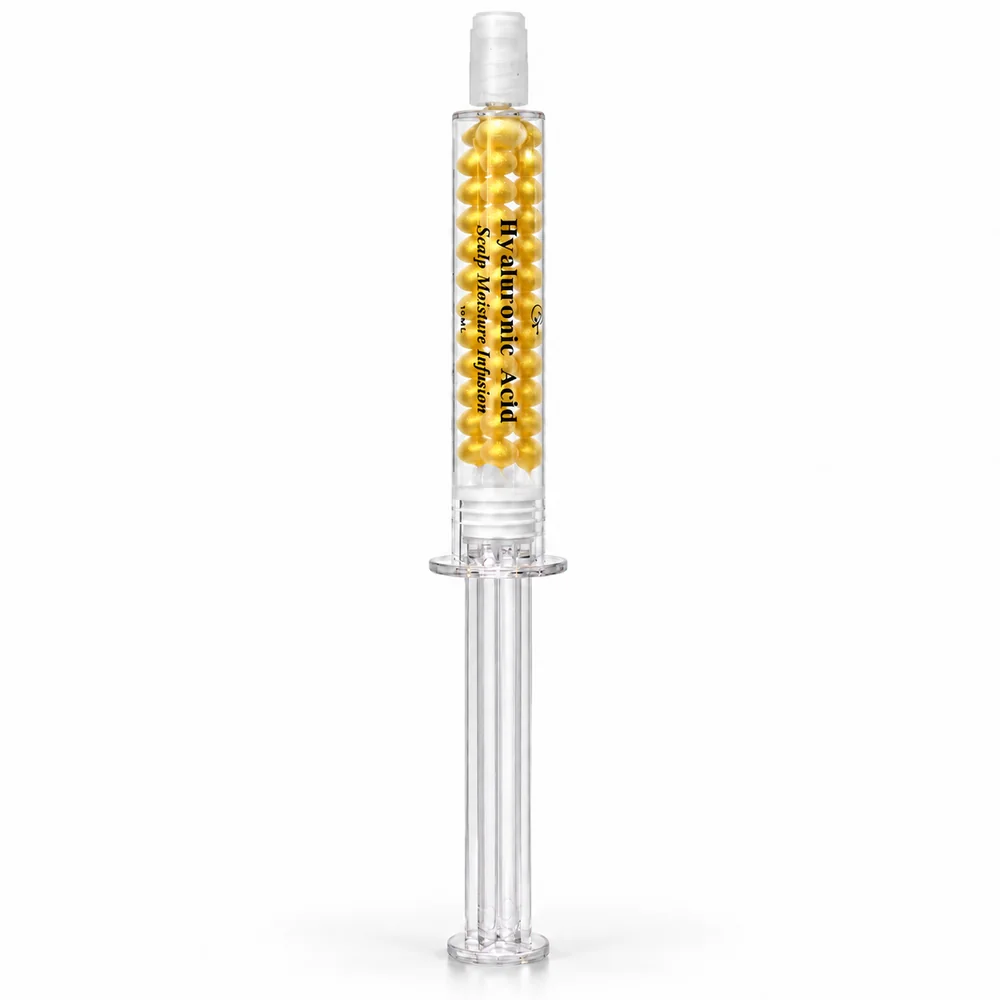
Folli-Care, three-quarter view
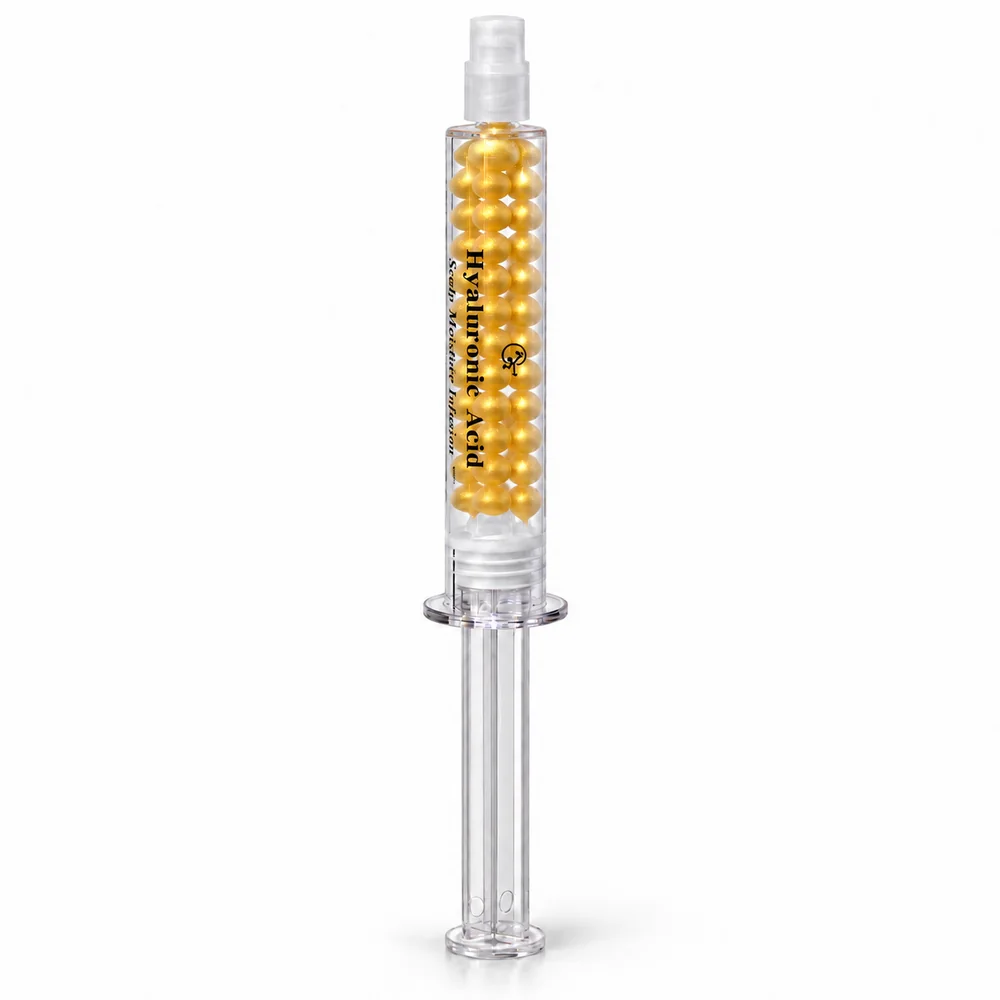
Folli-Care from above
022

Research

These are studies on ingredients or general approaches, summarised with their limits. None of them tested this treatment or product, and they don’t prove what it will do for you.

  1. Bravo B et al. (2022). Benefits of topical hyaluronic acid for skin quality and signs of skin aging: From literature review to clinical evidence. Dermatol Ther 35(12):e15903.Review + RCT summary. Topical hyaluronic acid is a hygroscopic, well-tolerated cosmeceutical ingredient used for skin hydration and rejuvenation, supported by multiple clinical studies.PubMed 36200921doi:10.1111/dth.15903
  2. Bukhari SNA et al. (2018). Hyaluronic acid, a promising skin rejuvenating biomedicine: A review of recent updates and pre-clinical and clinical investigations on cosmetic and nutricosmetic effects. Int J Biol Macromol 120(Pt B):1682-1695.Review. Hyaluronic acid formulations improve skin hydration and elasticity in cosmetic and clinical studies; HA is involved in skin repair and wound healing.PubMed 30287361doi:10.1016/j.ijbiomac.2018.09.188
  3. Turner GA et al. (2012). Stratum corneum dysfunction in dandruff. Int J Cosmet Sci 34(4):298-306.Review. Dandruff affects up to half the world's post-pubertal population and involves a weakened scalp barrier with raised water loss and subclinical inflammation.PubMed 22515370doi:10.1111/j.1468-2494.2012.00723.x
  4. Zerbinati N et al. (2021). In Vitro Hair Growth Promoting Effect of a Noncrosslinked Hyaluronic Acid in Human Dermal Papilla Cells. Biomed Res Int 2021:5598110.In vitro study (human dermal papilla cells). A non-cross-linked hyaluronic acid formulation protected human dermal papilla cells against UVB-induced damage and increased VEGF secretion.PubMed 34754881doi:10.1155/2021/5598110
  5. Koyama T et al. Standardized scalp massage results in increased hair thickness by inducing stretching forces to dermal papilla cells in the subcutaneous tissue. Eplasty 2016;16:e8.Small uncontrolled study (9 men). Daily scalp massage for 24 weeks was linked with thicker hair in nine men. Very weak evidence.PubMed 26904154
  6. Tosti A et al. (2021). Role of scalp health in achieving optimal hair growth and retention. Int J Cosmet Sci 43 Suppl 1:S1-S8.Review + treatment study. Over 20 epidemiological studies link abnormal scalp conditions to impaired hair; a treatment study showed hair impacts were reversible when scalp condition normalised.PubMed 33932025doi:10.1111/ics.12708
  7. Trüeb RM et al. (2018). Scalp Condition Impacts Hair Growth and Retention via Oxidative Stress. Int J Trichology 10(6):262-270.Review. Scalp condition affects hair growth and retention via oxidative stress; Malassezia is a source of oxidative damage, and anti-Malassezia shampoos tend to reduce premature hair loss.PubMed 30783333doi:10.4103/ijt.ijt_57_18
  8. Borda LJ et al. (2015). Seborrheic Dermatitis and Dandruff: A Comprehensive Review. J Clin Investig Dermatol 3(2).Comprehensive review. Dandruff and seborrhoeic dermatitis form a spectrum influenced by sebum, Malassezia colonisation and individual susceptibility.PubMed 27148560doi:10.13188/2373-1044.1000019
024

Related

Book a consultation

Start with a scalp check

Tell us a little about your hair. The form opens WhatsApp with your details filled in, ready to send to Dr Steven’s team.

  • Your scalp is checked before anything is recommended
  • Full price is explained before you decide, with no obligation
  • We serve you in English, 中文 or Bahasa Melayu

Prefer to message directly? WhatsApp 018-264 9747

WhatsApp↗